


The cost of living in the UK has been rising steadily, and many people are feeling the pressure. From higher energy bills to expensive groceries and rent, saving money can feel difficult especially if you’re just getting started.
The good news is that saving money in the UK in 2026 is still possible, even on an average income. You don’t need extreme budgeting or a huge salary. You just need the right habits, simple planning, and smart decisions.
This beginner-friendly guide will help UK residents understand practical ways to save money without stress.
Understand Where Your Money Is Going
The first step to saving money is knowing exactly where it’s going. Many people underestimate how much they spend on small things like coffee, food delivery, or subscriptions.
Simple action steps:
- Check your bank statements from the last 2–3 months
- Categorise spending (rent, food, travel, entertainment)
- Identify unnecessary expenses
Once you see your spending clearly, cutting costs becomes much easier.
Create a Simple Budget That Works
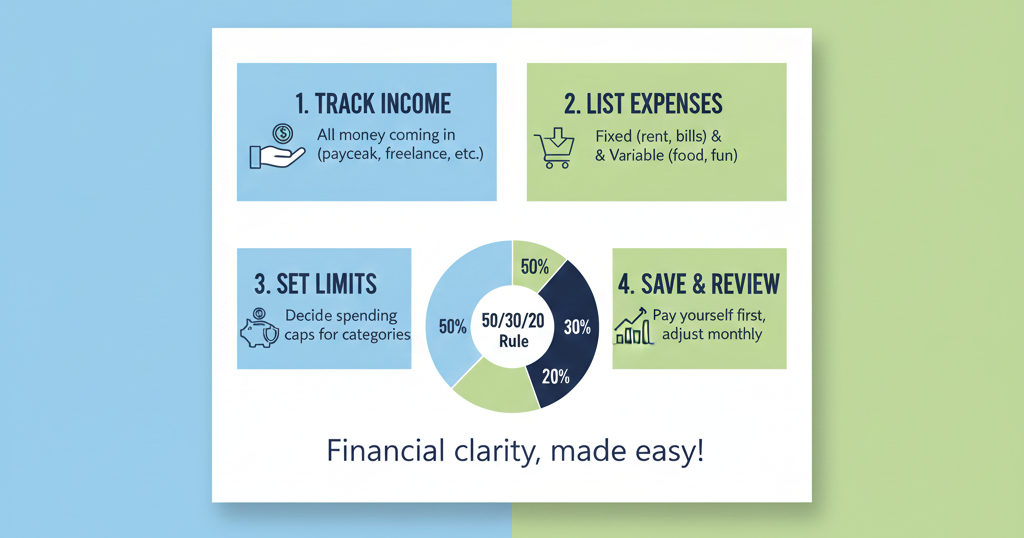
Budgeting doesn’t mean restricting yourself completely. It means giving every pound a purpose.
A popular beginner method is the 50/30/20 rule:
- 50% for essentials (rent, food, bills)
- 30% for wants (entertainment, shopping)
- 20% for savings
If the cost of living UK pressures are high for you, even saving 10% consistently is a win.
Use free budgeting apps or spreadsheets to track progress weekly.
Cut Energy Bills the Smart Way
Energy bills remain one of the biggest expenses in the UK. Small changes can lead to noticeable savings over a year.
Easy ways to save:
- Switch off appliances at the socket
- Use energy-efficient LED bulbs
- Wash clothes at lower temperatures
- Compare energy providers once your contract ends
Even saving £20–£30 per month adds up to hundreds of pounds yearly.
Reduce Grocery Spending Without Sacrificing Quality
Food prices have increased significantly, but smart shopping helps.
Money-saving grocery tips:
- Shop with a list and avoid impulse buys
- Choose own-brand products instead of premium labels
- Buy seasonal fruits and vegetables
- Avoid shopping when hungry
Meal planning for the week can reduce food waste and help with saving money UK households struggle with.
Be Smart With Subscriptions and Memberships
Many people pay for services they barely use. Streaming platforms, gym memberships, and apps can silently drain money.
What you should do:
- Review subscriptions every 3 months
- Cancel anything unused
- Share family plans where allowed
- Look for student or family discounts
You could easily save £300–£600 per year just by cutting unused services.
Use Public Transport and Travel Discounts
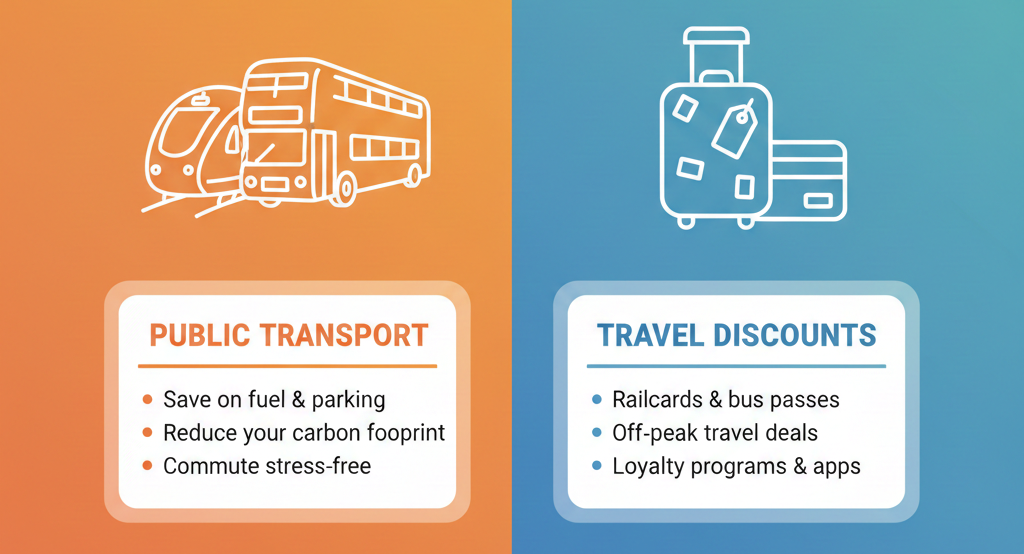
Transport costs can be a major issue, especially for commuters.
Ways to save:
- Use railcards if eligible
- Buy monthly or yearly travel passes
- Walk or cycle for short distances
- Check for employer travel benefits
Planning travel in advance often leads to cheaper fares.
Build an Emergency Fund First
Before investing or chasing high returns, focus on safety.
An emergency fund should cover:
- 3–6 months of essential expenses
- Unexpected repairs
- Job loss or income delays
Keep this money in an easy-access savings account. It reduces financial stress and prevents debt.
Avoid High-Interest Debt
Credit cards, payday loans, and buy-now-pay-later options can trap you.
To reduce debt:
- Pay more than the minimum balance
- Clear high-interest debt first
- Avoid using credit for non-essential items
Debt repayments increase the cost of living UK challenges, so reducing them is key to long-term savings.
Increase Income Alongside Saving
Saving money becomes easier when income grows.
Beginner-friendly ideas:
- Freelancing online
- Weekend or evening part-time work
- Selling unused items
- Learning a high-demand skill
Even an extra £200–£300 per month can dramatically improve your financial stability.
Make Saving Automatic
Automation removes temptation.
Set up:
- Automatic transfers to savings
- Separate savings accounts for goals
- Round-up savings features
When savings happen automatically, you won’t miss the money.
Plan for the Future in 2026 and Beyond
With economic uncertainty and rising prices, planning ahead is essential.
Focus on:
- Improving financial knowledge
- Tracking expenses monthly
- Reviewing goals every 6 months
- Staying flexible with lifestyle choices
Smart habits today protect you from future financial stress.
Final Thoughts
Saving money in the UK in 2026 is not about extreme sacrifices. It’s about awareness, planning, and consistency. Even small changes can have a big impact over time.
With rising prices and ongoing cost of living UK concerns, building strong saving habits is one of the best decisions you can make. Start small, stay consistent, and focus on progress — not perfection.

Leave a Reply